

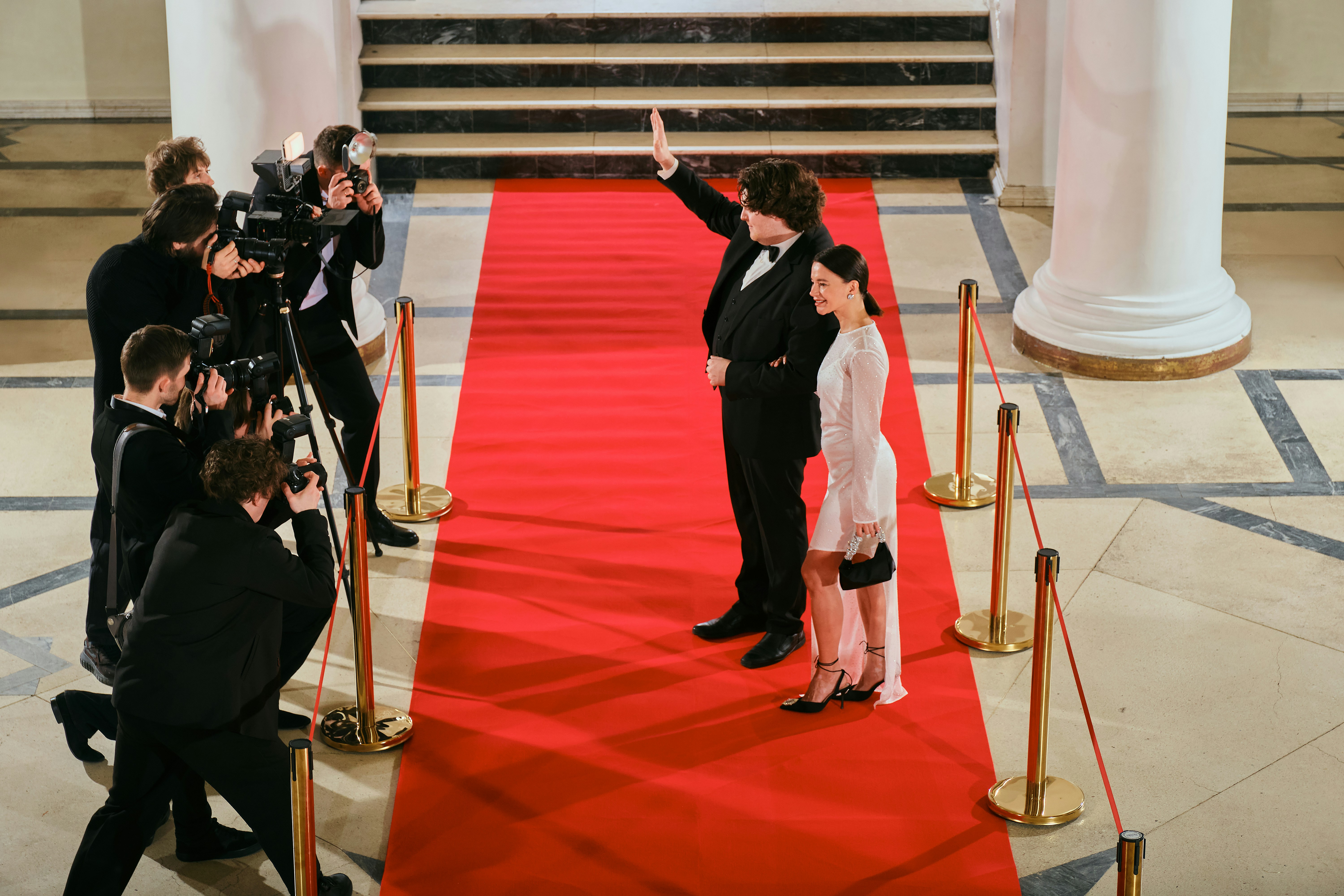
For many luxury buyers and sellers, privacy isn't a preference, it's a requirement. Executives, athletes, entertainers, and high-net-worth individuals closing on a home in Buckhead, Milton, or Sandy Springs often have real concerns about their transaction becoming public before they're ready, whether that means avoiding media attention, protecting personal safety, or simply keeping a major financial decision out of public records longer than necessary. A closing attorney experienced with high-profile transactions builds discretion into the process from day one.
Why Privacy Is Harder in Real Estate Than People Expect
Real estate transactions generate a paper trail almost by design. Deeds, tax records, and loan documents are matters of public record once recorded, and closing coordination typically involves multiple parties, agents, lenders, inspectors, title examiners, all communicating over email. For a high-profile buyer, each additional party and each piece of written communication is a potential point where information can leak before a sale is ready to be public.

Common Privacy Tools in High-Profile Transactions
Entity-based purchases. Many high-profile buyers purchase property through an LLC or trust rather than in their personal name, which keeps their name off the initial deed of record. A closing attorney experienced in this area can help structure the transaction properly and make sure the entity documentation meets both lender and title requirements.
Limited-access communication. Rather than looping every detail into a shared email thread, an experienced closing team can compartmentalize sensitive communication — sharing only what each party needs to know to do their part, rather than broadcasting the full transaction to every participant.
Controlled closing logistics. Where and when a closing physically happens matters for high-profile clients. A private closing suite, flexible scheduling outside peak office hours, and the ability to conduct a mobile closing away from a public office all reduce the chance of an unplanned encounter or public visibility.
Careful vendor coordination. Inspectors, appraisers, and other third parties involved in the transaction don't need to know who the buyer or seller is to do their job. A discreet closing process limits identifying information shared with vendors who don't require it.
What to Look for in a Closing Attorney If Privacy Matters
The Bottom Line
Privacy in a real estate closing doesn't happen by accident — it requires a closing attorney who thinks about confidentiality as part of the process, not an afterthought. For high-profile buyers and sellers in metro Atlanta, that means working with a firm that has both the legal knowledge and the operational discretion to protect a transaction until the client is ready for it to be public.